
Bees, birds, backyard “pests,” and the mosquito ledger
There is a polite fiction in American gardening that nature begins where the mulch ends. On the Gulf Coast, that fiction melts faster than a popsicle on a church pew. Here, bees commute, mosquitoes audit your laziest saucers, and a mockingbird will absolutely snitch on your hornworms if you are trying to grow tomatoes for butterflies without a plan.
This page is filed from Midtown porches and oak shade first, because that is where Bloomers does its closest reading—tight beds, alley wind, brick heat. When we widen the lens to Saraland, west Mobile, and the north Mobile corridor, the insects are often the same species with different real estate: more open sky, more turf, sometimes more ditch line and bayou edge—translation: different water habits, same need for honesty about standing water.

Bees beyond the honey story
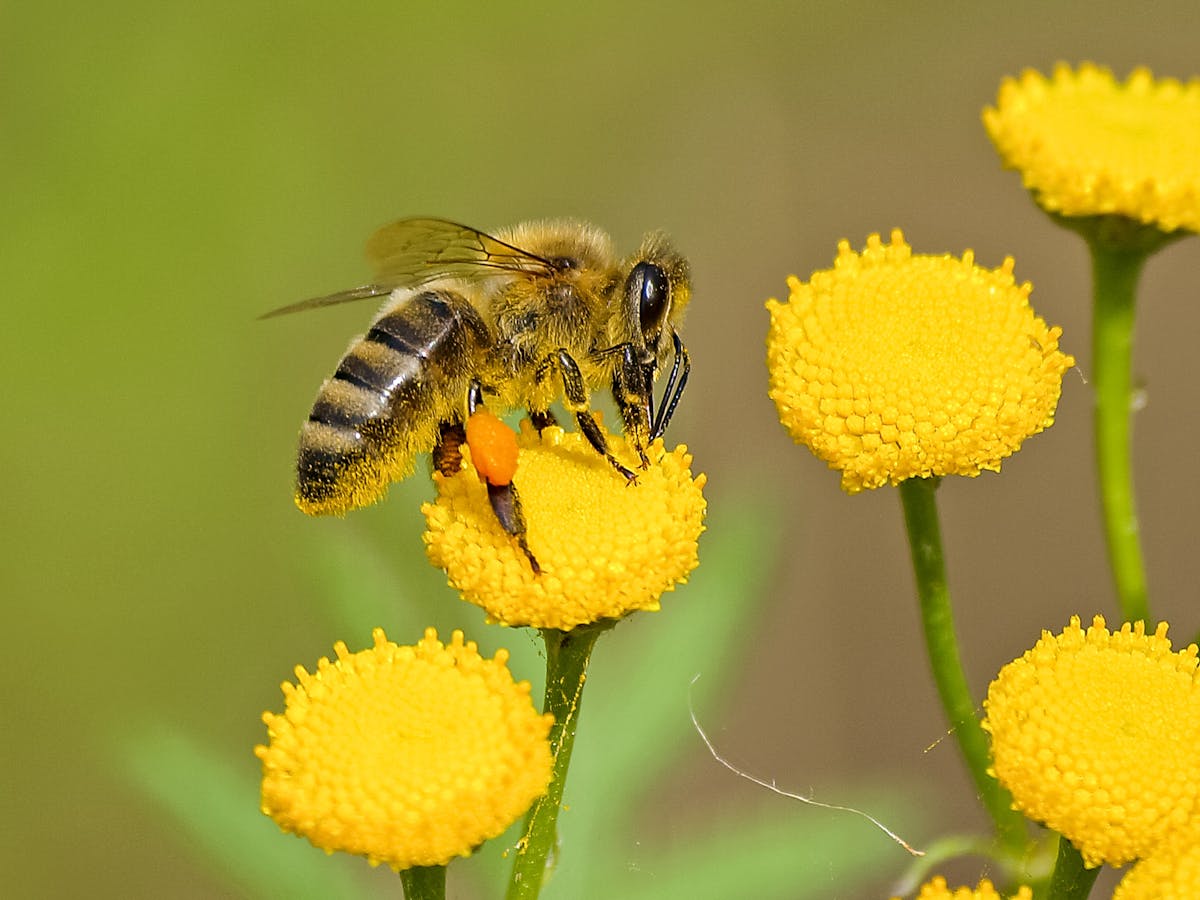
Honeybees get the press, but your yard’s real workforce is often a patchwork of solitary bees, bumble queens, and tiny specialists you will never brand. They need staggered blooms, bare soil patches for nesting, and—this is critical—fewer broad-spectrum sprays applied “just in case.”
In Midtown, canopy changes the menu: heavy shade reduces options; sunny hellstrips increase heat stress on pollinators as much as on you. Plant like you are feeding a shift workers’ cafeteria: something early, something reckless in May, something stubborn in August, something brave in fall.
Birds as yard citizens
Cardinals do not care about your aesthetic theme boards. They care about cover, reliable water, and whether your cat treats the birdbath like a sushi bar. Hawks will patrol feeders; that is not cruelty, it is Tuesday.
Window strikes are one of the quietest mass tragedies in suburban yards—often worse than neighborhood cats because glass lies. If you feed, place feeders where approach speeds are low, use decals where glass reflects sky, and accept that sometimes the kindest bird garden is a little messier so birds can brake before impact.
“Pests” you should protect
Lacewing larvae look like alligator fantasies and behave like aphid Terminators. Parasitic wasps are so small you will insult them by calling them ugly—then they will quietly handle hornworms while you brag about your compost. Ground beetles work the night shift on slugs. Spiders are unpaid security. The sidebar lists a few locals worth naming so you stop nuking them by accident.
Pests you should manage early
Armyworms can turn a proud lawn into a stress dream after a wet heat week. Bagworms play the long con on junipers until branches thin like a bad alibi. Scale brings honeydew, ants, and sticky porches—often a social problem before it is a plant problem. None of these require panic; they require calendars: walk the yard with coffee, look undersides, treat targeted areas instead of declaring chemical war on your entire block.
Mosquitoes: population isn’t a vibe check
“How bad are mosquitoes this year?” is a question people ask like weather is a mood. Entomologically, mosquitoes are a logistics problem: females need standing water, often in absurdly small volumes—bottle caps, bromeliad cups, clogged gutters, the toy dump truck your nephew “parked” under the fern.
County-wide control programs matter, but the fastest wins are private: dump saucers twice a week in summer, keep gutters honest, treat or flush bromeliads on a schedule, and stop treating the alley like invisible space—it is often where tarps and buckets go to raise a mosquito HOA.
We are not going to pretend a few plants repel mosquitoes like a force field. Some scents help at margins; the big lever is water discipline plus targeted professional work when disease risk or quality of life demands it—especially if you are hosting elders, babies, or anyone who deserves a porch without donations to the blood bank.
Saraland, west Mobile, northward—same bugs, different homework
Saraland and the north corridor often mean more sun, more turf, more ditches, and more “I forgot that bucket behind the shed.” West Mobile can mean more drive heat, more open sky, and different wind lines that move scent and spray drift. Midtown means oak litter, tighter beds, and porch pots that telegraph your watering habits to the whole block.
Mosquitoes do not respect ZIP boundaries—bucket patrol and drainage still matter from Midtown outward.